
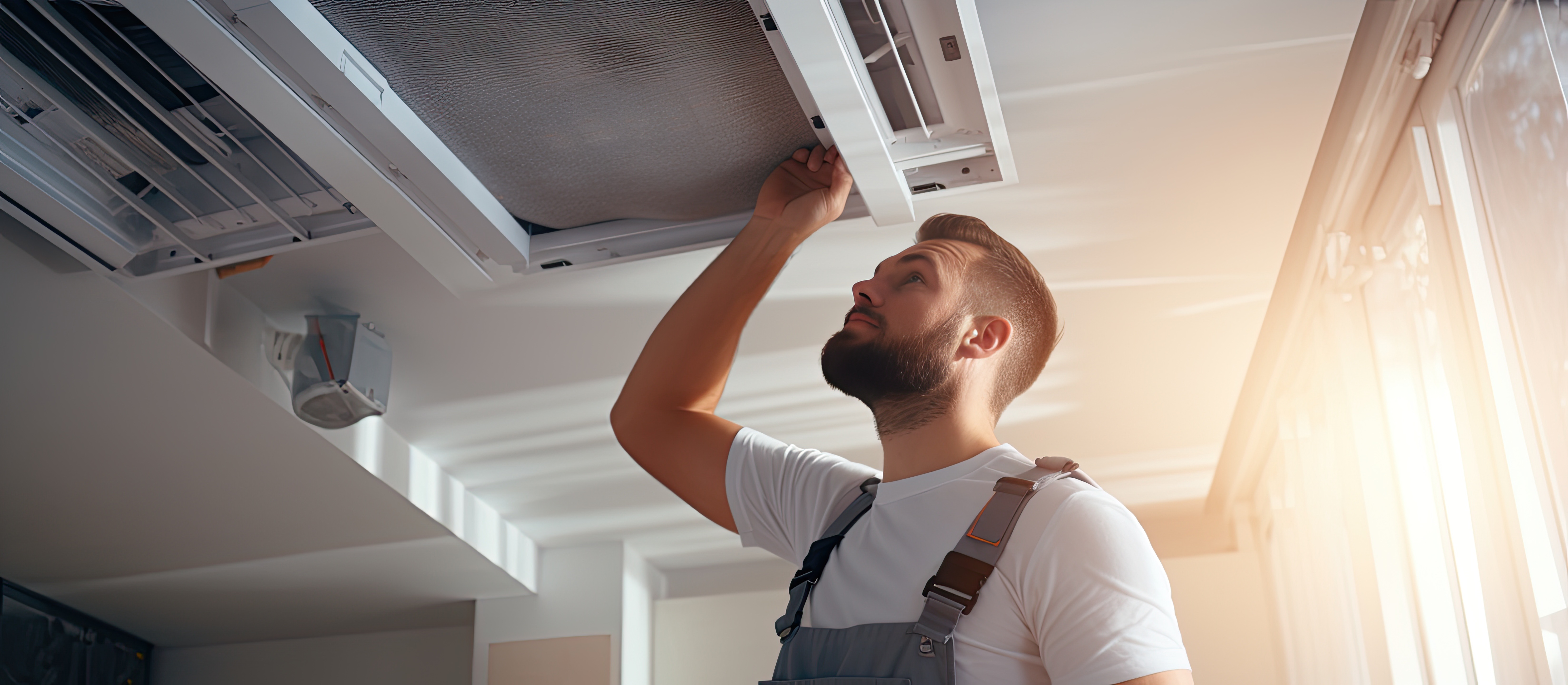
How Preventive Maintenance Extends Asset Lifespan
Preventive maintenance helps businesses avoid costly breakdowns and significantly extend the lifespan of their assets by addressing issues before they escalate.
How Preventive Maintenance Extends Asset Lifespan
Early Detection of Issues
Preventive maintenance is built on the principle of identifying problems before they become failures. Routine inspections allow technicians to detect wear and tear early, identify minor faults before they escalate, and address inefficiencies in performance. Catching issues early prevents small problems from turning into major and expensive repairs that disrupt operations.
Reduced Wear and Tear
All mechanical and electrical systems experience natural wear over time, but without proper care, this process accelerates. Preventive maintenance helps by lubricating moving parts, cleaning critical components, and calibrating systems for optimal performance. This reduces strain on equipment and ensures smoother operation, ultimately prolonging asset life and protecting your investment.
Optimized Performance
Assets that are regularly maintained operate at peak efficiency. Well-maintained systems use less energy, deliver consistent performance, and experience fewer breakdowns. When equipment runs efficiently, it not only lasts longer but also contributes to lower operational costs and a more reliable facility environment across the board.
Avoidance of Major Failures
Major equipment failures often result from neglected minor issues. Preventive maintenance minimizes this risk by replacing worn components before failure, monitoring system performance trends, and scheduling timely interventions. Avoiding catastrophic failures protects both the asset itself and the surrounding infrastructure of the facility.
Better Planning and Budgeting
With preventive maintenance, activities become predictable and planned rather than reactive and urgent. This allows businesses to schedule maintenance during low-impact periods, forecast costs more accurately, and avoid sudden capital expenditures. Planned maintenance reduces financial surprises and improves overall budget control throughout the year.
Increased Equipment Reliability
Reliability is key to maintaining smooth operations. Preventive maintenance ensures fewer unexpected breakdowns, consistent system availability, and improved operational continuity. Reliable assets reduce downtime and support uninterrupted business activities, giving teams the confidence to focus on their work rather than worrying about system failures.
Extended Replacement Cycles
Replacing major equipment is costly and disruptive to operations. By extending the lifespan of assets, preventive maintenance delays the need for capital replacement, maximizes return on investment, and reduces lifecycle costs. This long-term economic benefit is one of the strongest and most measurable arguments for adopting a preventive approach.
Improved Safety
Poorly maintained equipment can pose significant safety risks to occupants and staff. Preventive maintenance helps identify potential hazards early, ensures systems operate within safe parameters, and maintains ongoing compliance with safety standards. Safer equipment protects both people and property within the facility.
Supporting a Proactive Culture
Beyond the technical benefits, preventive maintenance promotes a proactive mindset throughout the organization. Instead of reacting to problems as they occur, teams plan ahead, monitor performance, and continuously improve operations. This shift in mindset drives long-term efficiency, operational excellence, and a culture of care across the entire facility.
.jpg)