Top Facility Risks and How to Mitigate Them
From safety hazards to system failures, facilities face a range of risks that can disrupt operations. Identifying and proactively mitigating these risks is key to maintaining performance and protecting your business.
Top Facility Risks and How to Mitigate Them
Equipment Failure
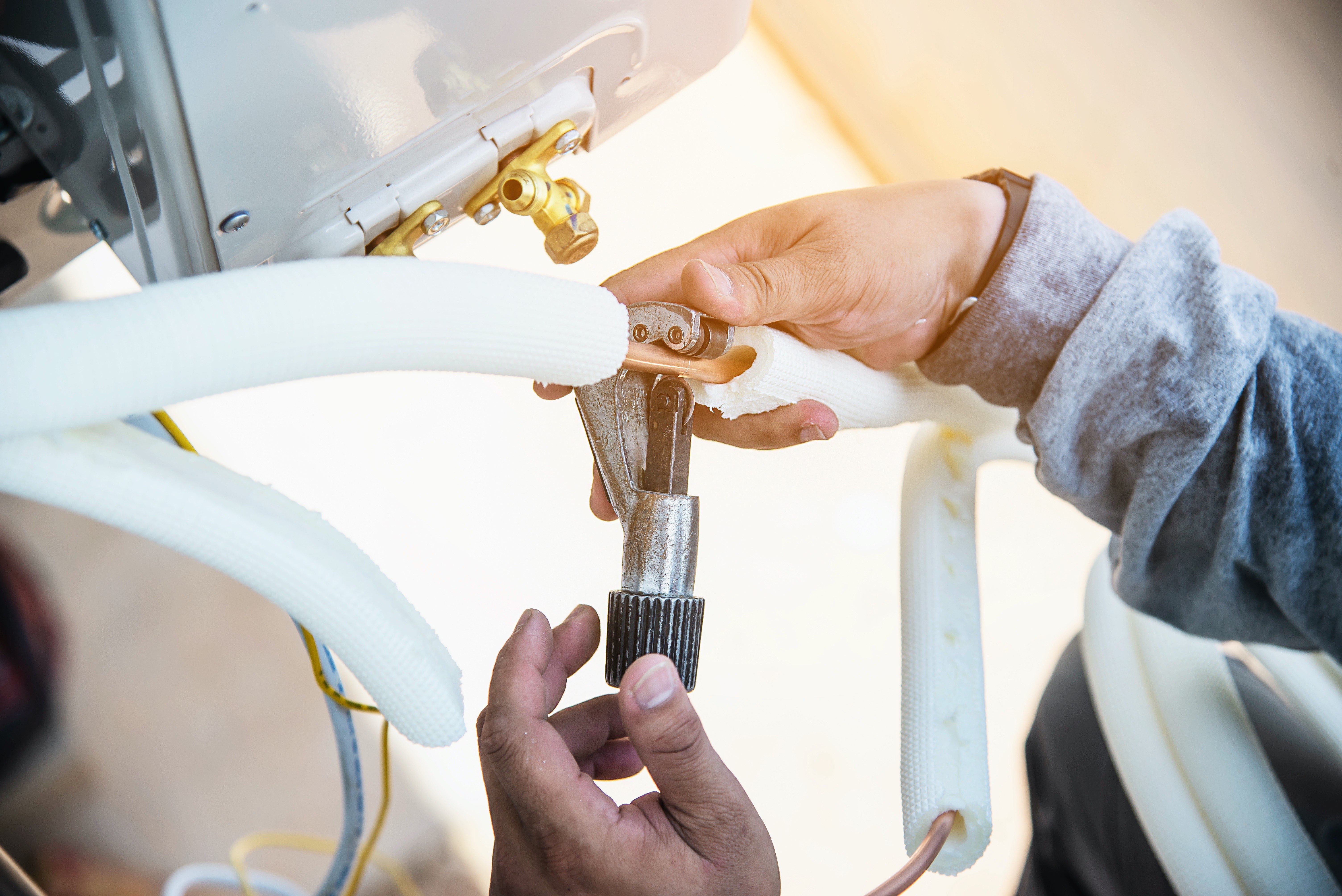
Critical systems such as HVAC, electrical infrastructure, and machinery can fail unexpectedly, leading to costly downtime and repairs. Mitigate this risk by implementing preventive maintenance programs, monitoring equipment performance regularly, and replacing aging components before failure occurs. Proactive monitoring significantly reduces the likelihood of sudden and disruptive breakdowns.
Health and Safety Hazards
Poorly maintained facilities can create unsafe environments, leading to accidents, injuries, and significant liability issues. The solution is to conduct regular safety inspections, ensure compliance with health and safety standards, and train staff on proper safety procedures. A strong safety culture protects both people and the business from harm and legal exposure.
Regulatory Non-Compliance
Failure to comply with industry regulations can result in fines, legal issues, and operational shutdowns. Stay up to date with local regulations and standards, maintain proper documentation and records, and partner with experts who understand compliance requirements. Proactive compliance management reduces legal and operational exposure across the facility.
Energy Inefficiency
Inefficient systems can lead to excessive energy consumption and rising operational costs across the facility. Conduct regular energy audits, upgrade to energy-efficient systems where possible, and maintain HVAC and electrical systems on a scheduled basis. Improving energy efficiency reduces costs and supports broader sustainability goals for the organization.
Poor Indoor Air Quality
Inadequate ventilation and poorly maintained HVAC systems can negatively impact occupant health and productivity. Regularly service HVAC systems, replace filters and clean ducts on schedule, and monitor air quality levels throughout the building. Healthy indoor environments contribute to better performance and well-being for everyone who works in or visits the facility.
Water Damage and Plumbing Failures
Leaks, pipe bursts, and drainage issues can cause significant structural damage and disrupt facility operations. Perform routine plumbing inspections, address minor leaks immediately before they escalate, and install monitoring systems for early detection. Early intervention prevents costly repairs, structural damage, and extended operational downtime.
Fire Risks
Electrical faults, equipment overheating, and poor maintenance practices can increase the risk of fire in any commercial facility. Inspect electrical systems regularly, maintain fire detection and suppression systems in proper working order, and ensure full compliance with fire safety regulations. Preparedness is essential for minimizing damage and ensuring the safety of all occupants.
Security Vulnerabilities
Facilities can be exposed to theft, vandalism, or unauthorized access without proper security measures in place. Implement access control systems, install surveillance and monitoring systems, and conduct regular security assessments. Strong security measures protect both the physical assets and the people who work within the facility.
Lack of Preventive Strategy
Operating without a structured maintenance and management plan leads to inefficiencies and increased exposure to all other facility risks. Develop a comprehensive facility management strategy, use data to guide decision-making, and partner with experienced providers. A structured approach reduces uncertainty, improves overall control, and positions your facility for long-term success.
.jpg)